The Twilight Strain: India’s Power Deficit Hits Three-Year High and the Solar Trap
India’s energy scene has hit a wall. The country's grappling with a brutal irony: the grid’s cleaner than ever during the day, but it’s gasping for air once the sun sets. Data from September 2026 just confirmed what many feared. India’s electricity shortfall hasn't been this bad in three years. It’s the deepest September slump since the 2017 crisis.
The sun kept the lights on through record-breaking daytime heat. But as soon as dusk hit, the system buckled. This isn't just about a lack of power anymore. It’s about timing. We’ve got plenty of electrons at 2:00 PM, but almost none when everyone’s turning on their air conditioners at night. This "twilight strain" is the new reality for the world’s third-largest energy consumer.
The Strategic Key Takeaways
- September 2026 saw power deficits hit a three-year peak of 560 MU, spurred by El Niño heatwaves and a 17.5% jump in demand.
- We're stuck in a "Solar Trap": there's enough juice at noon, but evening shortages are rampant because we can't store the surplus.
- Fixing this costs money. India needs to find ₹3.49 trillion for batteries and Pumped Hydro to stop the grid from failing after dark.
The September Spike: Tracking the Numbers
Audited figures from Grid-India show the national shortage hit 560 million kilowatt-hours (kWh) last month. It’s a massive jump. In August, the deficit was a mere 98 MU. By September, it was oscillating wildly between 544 and 560 million units. It shows just how fast things fall apart when extreme weather meets old infrastructure.
Monthly Power Shortfall (2026)
This table breaks down the mess. It's been a year of wild weather and even wilder demand spikes:
| Month (2026) | Energy Shortfall (Million Units) | The Real Story |
|---|---|---|
| April | 270 | Early heat; humidity was brutal. |
| May | 120 | Heatwave peak; demand hit 270.8 GW. |
| June | 146 | Monsoon was late; wind speeds dropped. |
| July | 165 | Renewables were patchy; farms needed power. |
| August | 98 | Better rain; hydro helped out. |
| September | 544 - 560 | Super El Niño; zero rain; ACs stayed on. |
The Reality: This is the worst deficit since the 2023 crunch. Total generation actually went up by 11.3% this year, reaching 174.17 billion kWh. It didn't matter. Demand grew by 17.5%, and the grid simply couldn't keep up.
The Solar Gap: Why 6:00 PM is the Danger Zone
The September data tells a specific story. It’s not that we don't have enough plants. It’s that we can’t move power through time. Earlier this year, green energy capacity finally beat fossil fuels. That sounds great on paper. In practice, it’s created a "Duck Curve" that’s killing the grid. We have too much power at midday and nothing at dinner time.
- Midday Waste: When the sun’s out, we’re drowning in power. In May 2026, we wasted about 24 GWh of solar energy every day. Why? Because there was nowhere to put it.
- The 18:00 Cliff: When the sun drops, the grid loses tens of gigawatts in minutes. This September, the Super El Niño kept temperatures high late into the night. People didn't turn off their cooling just because it was dark.
- The Storage Hole: This is almost entirely an evening headache. Solar is cheap at 1:00 PM (about ₹1.56/unit). But by 6:30 PM, prices on the market hit the ₹10 cap. We don't have enough Battery Storage (BESS) or Pumped Hydro (PSP) to bridge that gap.
What Broke the System? Heat, Coal, and Bad Luck
Four things collided in September to create this mess:
- The El Niño Effect: Rain vanished. That meant hydropower crashed, which is usually what balances the grid. In places like Kerala, demand shot up 18% because it was just too hot.
- Factories are Humming: India’s industrial sector is growing fast in 2026. These factories don't stop when it gets dark. Their load hits the grid right when families are turning on lights at home.
- Broken Plants: About 41 GW of capacity was offline in September. Some was planned maintenance, some was just bad luck. It left the system with no safety net.
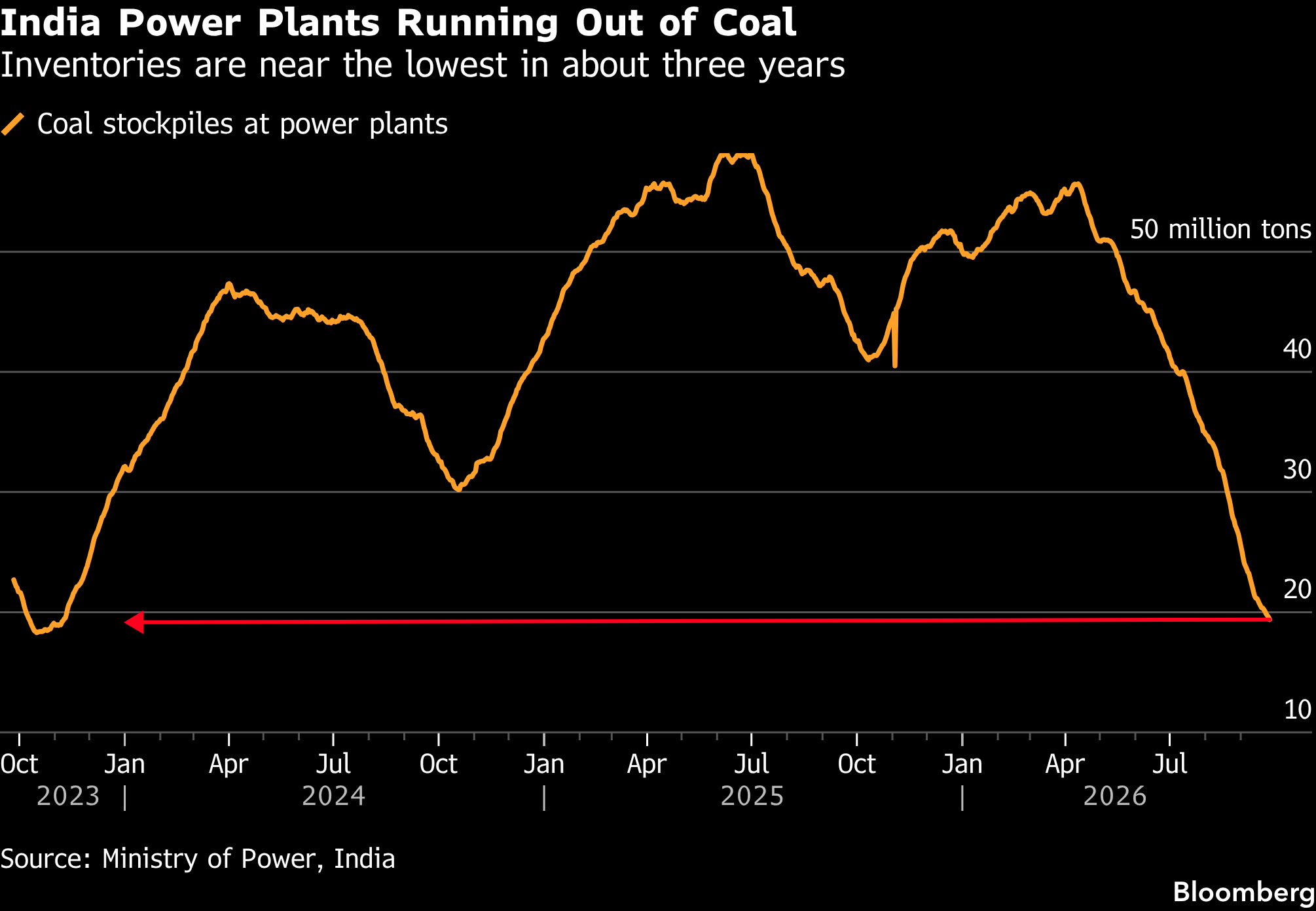
- Coal Costs: Coal is still the backbone. But getting it is getting harder. Auction prices hit a 94% premium this month as everyone scrambled to replace the missing hydro power.
The Way Out: A ₹3.49 Trillion Price Tag
September was a wake-up call. We can't treat storage as an optional extra anymore. It’s a national security issue. The Central Electricity Authority (CEA) says India needs ₹3.49 trillion to build the batteries we need to keep things stable.
We need 236.22 GWh of storage by 2032. We’ve made some progress in 2026, adding 8.2 GWh so far, but it’s not fast enough.
"India's problem isn't making power; it's being flexible. We're throwing away clean sun at noon only to burn pricey coal at midnight. That ₹3.49 trillion isn't just a cost—it's the price of staying open for business." — Energy Intelligence Brief, October 2026.
Fixing the Grid
The government's trying to move fast. Here’s what’s happening on the ground:
- Funding Boosts: New grants now cover 40% of the cost for big battery projects. It’s an attempt to make storage actually affordable.
- Local Batteries: The first "gigafactories" for batteries started trial runs this year. We're trying to stop relying on imports.
- Hydro Push: They’ve slashed the red tape for Pumped Storage Plants. These are basically giant water batteries, and they’re cheaper than lithium in the long run.
- Market Shifts: Higher price caps are finally tempting private companies to sell their extra power back to the grid when things get tight at night.
The Bottom Line for 2027
The "Solar Trap" won't be fixed by just buying more panels. We've got to change how we use power. That means moving heavy work to the daytime and building batteries like our lives depend on it. If we don't, these evening blackouts are going to become the new normal.
India’s record September power deficit proves that solar capacity alone can't secure the grid. Despite massive green energy growth in 2026, the lack of storage has created a dangerous evening supply gap. To survive the "Solar Trap," India must now fast-track a ₹3.49 trillion investment in batteries and hydro storage.
Never Miss an Update!
Subscribe to get personalized blog recommendations and instant notifications for new articles directly on your device.