Power Shift: How India and China Are Rewriting the Global Energy Race
It’s October 2026, and the world’s thirst for power isn’t just growing—it’s exploding. According to the latest data from the International Energy Agency (IEA), global electricity demand has climbed at its fastest rate in fifteen years. Why? Look at the data centres feeding hungry AI models, the surge in electric vehicles (EVs), and the brutal heatwaves that forced everyone to crank up the air conditioning this past summer. This “Age of Electricity” has already rewritten the rules of geopolitics.
At the heart of this shift are India and China. These two giants are driving almost all the growth in global power demand. But they’re taking very different paths. One relies on state-led mega-projects; the other is a mix of government schemes and messy market realities. Both are racing to keep the lights on without choking the planet.
India’s Power Sector in 2026: Clean Energy Surges Amid Rebounding Demand
Last year was quiet. In 2025, a long, wet monsoon kept the summer heat in check, and electricity demand only grew by 1.6%. But 2026 hasn’t been so kind. Demand has roared back with a 7% jump. This isn’t just a number; it’s a massive strain on the system. On May 21, 2026, peak demand hit a record 270.8 GW. That’s double what it was just a decade ago.
Still, there’s a silver lining. India has managed a feat many thought impossible: power sector emissions have stayed flat for two years. How? A massive wave of clean energy has hit the grid.
- Solar PV Generation: It’s up 24% year-on-year. The PM Surya Ghar: Muft Bijli Yojana—the national rooftop solar programme—has finally hit its stride. By late 2026, thousands of homes are generating their own power. This has changed everything. It’s shaving off the massive spikes in daytime demand that used to break the grid.
- Wind Power: This has jumped by 28%. New turbines are finally coming online at scale.
- Hydropower: After a rough patch, it’s back up by 14% thanks to better rains.
- Nuclear Baseload: It’s steady. The domestic 700 MW reactors, like the ones at Kakrapar, are providing the kind of reliable, carbon-free power that renewables just can’t match yet.
- Fossil Fuel Displacement: Because of all this green energy, coal use actually fell by 3.2% during the sunniest months. Gas fell even further, dropping 9%.
Key Takeaway: India’s green energy is finally keeping pace with its growing hunger for power. But don’t celebrate just yet. Heavy industries like steel and cement are still filthy. Their emissions rose 8% this year and now make up 23% of India’s total CO2 output.
China’s Clean Energy Colossus: Battery Storage and Grid Dominance
China is the big player. They’ll account for half of the world’s power demand growth through 2030. In 2026, their demand grew by 5.5%, fuelled by a massive boom in high-tech manufacturing and EVs.
China isn’t just building solar panels; they’re building the world’s most advanced energy machine.
- The Battery King: China is now the world’s largest battery storage market. They added 66 GW in 2025 alone. By the end of that year, they had 145 GW of capacity ready to go. These aren’t just short-term backups either; they can now hold a charge for over two and a half hours on average.
- Nuclear Speed: They’re building reactors faster than anyone else. The Hualong One units are popping up along the coast, providing massive amounts of clean power to industrial hubs.
- The Big Wires: Over the last decade, China has built 500,000 km of transmission lines. Their Ultra-High-Voltage (UHV) lines act like a superhighway, moving wind power from the empty west to the crowded east.
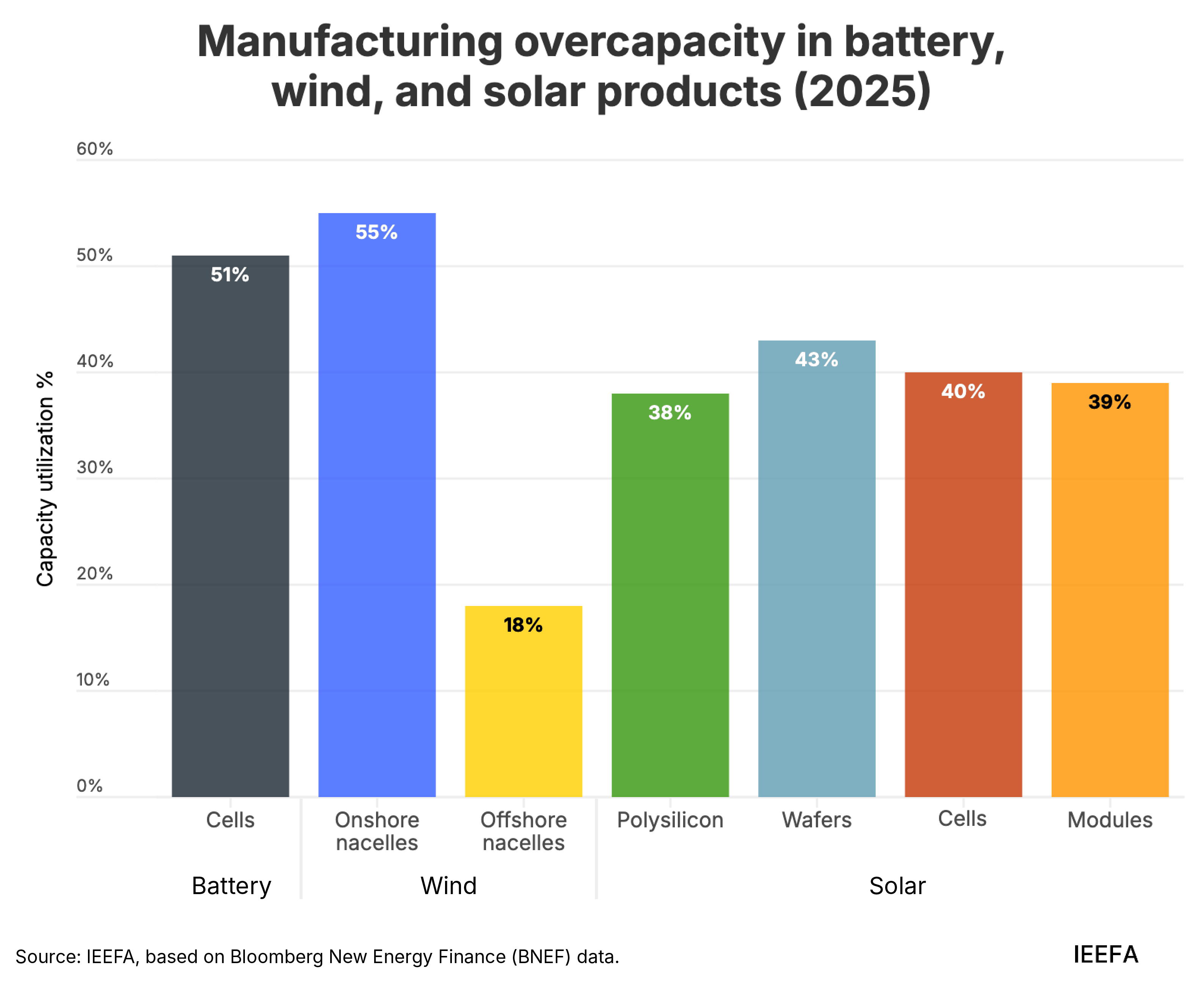
- The Monopoly: They still own the supply chain. If China stops exporting solar parts, the rest of the world stops building. India and Southeast Asia are particularly vulnerable here.
Comparative Analysis: India vs. China (2025–2026)
How do these two compare when you look at the raw numbers? The scale of their energy systems shows just how different their strategies are.
| Metric / Parameter | India | China |
|---|---|---|
| Electricity Demand Growth (2026) | 7% (Big rebound) | 5.5% (Steady rise) |
| Primary Clean Energy Drivers | Rooftop Solar, Wind, Hydro recovery | Offshore Wind, Hualong One Nuclear, massive EV charging |
| Cumulative Battery Storage (End-2025) | Just starting (Pilot projects) | 145 GW (Global leader) |
| Transmission Grid Expansion (Decade) | 180,000 km added | 500,000 km added (UHV focus) |
| Domestic Coal Production (2026) | Heading for 1,095 Mt | Heading for over 4,620 Mt |
| State Grid Operator Model | POWERGRID (Commercial/Market-ish) | SGCC (Total state backing) |
A Critique of Grid Bottlenecks and the Coal Paradox
The IEA’s 2026 reports aren’t all good news. There are some deep, structural cracks in the plan.
1. The Grid Investment Chasm
We’re building solar and wind faster than we can plug them in. Right now, 2,500 GW of projects are just sitting there, waiting for a connection. It’s a mess. To fix it, the world needs to spend 50% more on grids—roughly $600 billion a year.
China is spending its way out of the problem. They’ve put $565 billion into their grid for the next few years. India’s Power Grid Corporation (POWERGRID) doesn’t have that kind of state cash. They have to act like a business. If the Indian government doesn’t inject serious capital soon, the grid will become a bottleneck that kills the renewable dream.
2. The Persistent Coal Dependency
Renewables are great, but they aren’t “baseload” yet. Global coal demand is actually hitting a record high of 8.94 Bt in 2026. Why? Partly because of the heat. But also because of politics. When the Strait of Hormuz closed briefly earlier this year, gas prices went through the roof. Utilities panicked and went straight back to coal.
India is digging up 1,095 Mt of coal this year just to stay independent. By 2030, coal will still provide 60% of India’s electricity. China is no different. They might lead in solar, but they still have 4.62 Bt of coal capacity to make sure the lights don’t go out during a peak.
Conclusion & Strategic Outlook
The events of 2026 have proven one thing: generating clean power is the easy part. Moving it and storing it is the real challenge. China is winning by throwing state billions at mega-infrastructure and batteries. India has done something incredible by flattening its power emissions, but it’s hitting a wall. If India doesn’t fix its grid and find a way to clean up its steel and cement plants, the progress won’t last.
- Demand & Grid: India’s 7% demand surge nearly broke the grid, saved only by rooftop solar and new nuclear units.
- Infrastructure Lead: China’s massive battery fleet and UHV lines are light-years ahead, supported by rapid nuclear builds.
- Coal’s Grip: Between LNG price shocks and record heat, coal remains the world’s uncomfortable safety net.
Never Miss an Update!
Subscribe to get personalized blog recommendations and instant notifications for new articles directly on your device.